 Free shipping on orders over €199
 Shipping Tracking!


 Google
 Facebook
Silicone rubbers (both liquid and paste versions) are used to create molds for reproducing a wide variety of objects. They are compatible with virtually any material: epoxy resins, concrete, wax, metal, ceramics, glass, wood, and plastics in general.
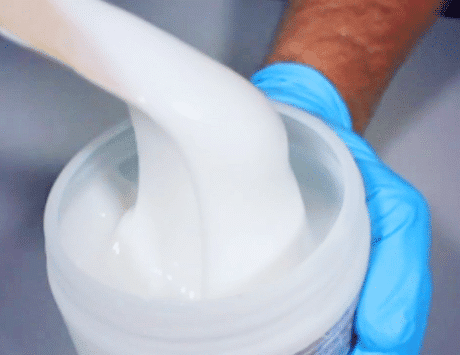
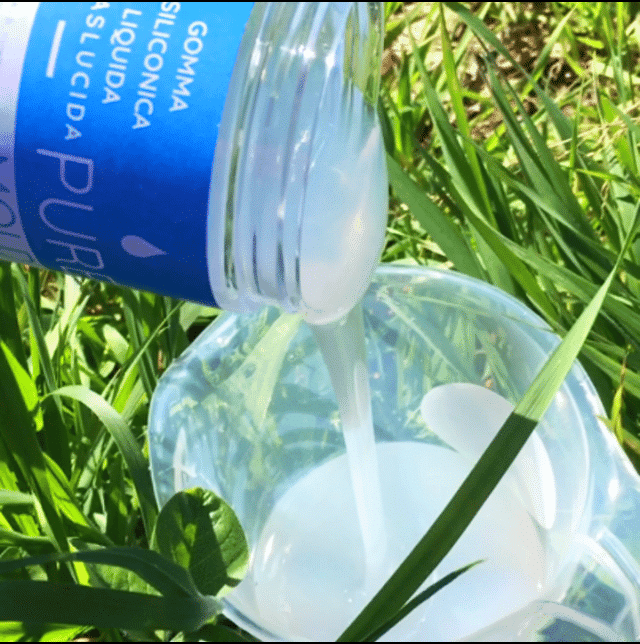
Which Objects Can Be Reproduced with DIY Silicone Rubber?
You can reproduce practically any object made of any material. From a small metal ring to a large life-size statue. There are no limits, as long as you properly prepare the workspace and, above all, choose the right product!
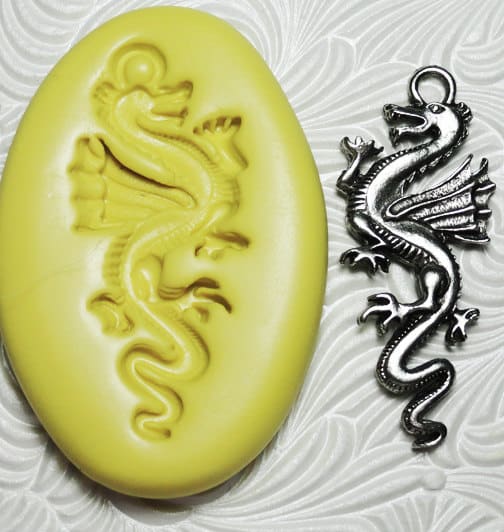


What is the difference between Liquid Silicone Rubbers and Silicone Rubber Paste?
Liquid silicone rubber for molds is a casting silicone that is poured directly over the model to be reproduced (after placing it inside a container to prevent the silicone from flowing away). Here is a Video where you can find the complete procedure.
Here is a Video where you can find the complete procedure.
Being liquid, it penetrates into every corner and creates a faithful copy of the original. It is particularly suitable for 3D molds (for example, a ring or a small figurine), but it requires more preparation time (due to the container where the original will be placed and then covered with silicone rubber for molds).
Advantages:
✅ Reproduces all details (3D)
✅ Reduces the risk of air bubbles
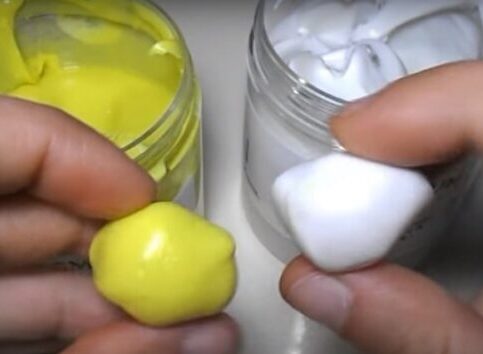
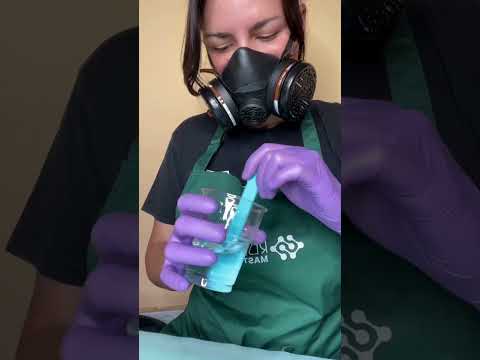
The two-component silicone rubber paste is a soft compound, particularly easy to use and non-toxic. Like “modeling clay”, it is applied directly onto the original object that you want to reproduce.
Here is an example of how easy and quick it is to use!
Being a paste, it tends to penetrate less and is therefore particularly recommended for 2D molds (for example, a medallion or an inlay).
Advantages:
✅ Fast
✅ Completely non-toxic
✅ Extremely easy to use.
What is the best liquid silicone rubber for molds?

Liquid Mold – 20 SHORES
Liquid casting silicone rubbers are divided into two types: condensation-cure silicones (5% catalyst) and addition-cure silicones (1:1 ratio).
Condensation-cure RTV Silicone Rubber (5% catalyst).
This is the most widely used type of silicone rubber. In fact, in addition to faithfully reproducing all details, it is also the two-component silicone rubber for molds with the best quality-price ratio.
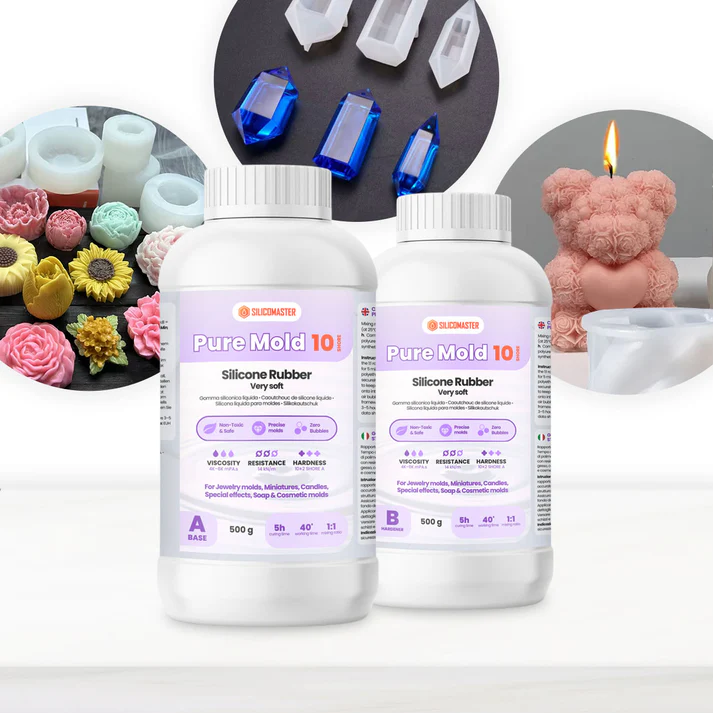
Pure Mold – Addition-Cure Silicone Rubber (1:1 ratio)
Pure Mold, thanks to its special formula, does not shrink (therefore always maintaining the same mold dimensions) and is the most resistant type of silicone rubber available (allowing multiple castings). Furthermore, it is semi-transparent, allowing you to see inside the mold during casting and correct any possible errors.
Pure Mold combines ease of use with technical performance, making it the preferred choice among professionals!
Silicone Pastes for Molds, Which Ones Should You Choose?
ResinPro has developed the IGUM line to meet all the needs of its customers.
IGUM is a two-component, non-toxic, and extremely easy-to-use paste. Being a paste, it does not run and is ideal for reproducing “2D” objects (such as coins, medallions, or decorations).
For example, if you want to reproduce a decorative detail on a vertical surface, you can simply apply this paste over it (as it does not drip) and, after just 4 minutes, have a ready-to-use mold!

IGUM Classic
Hardens in 30 minutes and provides more working time.
Non-toxic
IGUM Non-Toxic
Hardens in just 4 minutes! For an express mold.
Non-toxic

How to Choose the Hardness of a Silicone?
Silicone rubbers can have different consistencies (or hardness levels), which are normally measured in “Shore” values. The higher this value, the “harder” the mold will be.
For example, a 20 Shore silicone will be harder than a 5 Shore silicone.
Normally, high Shore molds (from 30 Shore and above) have the advantage of not deforming during casting, maintaining the original shape, and are generally used for larger castings.

Liquid Mold – 5 SHORES
Creating silicone molds with very soft silicones (Liquid Mold 5 Shore) is recommended when reproducing fragile objects (for example, clay or crystal) or particularly complex shapes.
Being soft, it allows the model to be removed without the risk of damaging it.
Liquid Mold – 30 SHORES
A good compromise is Liquid Mold 30 Shore, which provides both stability and ease of demolding and can be used in practically all situations!

Compare the Most Used Silicones by Creatives and Professionals!
Would you like to discover our complete range of silicones? This way, you will have the opportunity to compare the different types and the packages that best suit your needs.
You can easily do so by clicking below.
How to Keep a Silicone Mold in Good Condition
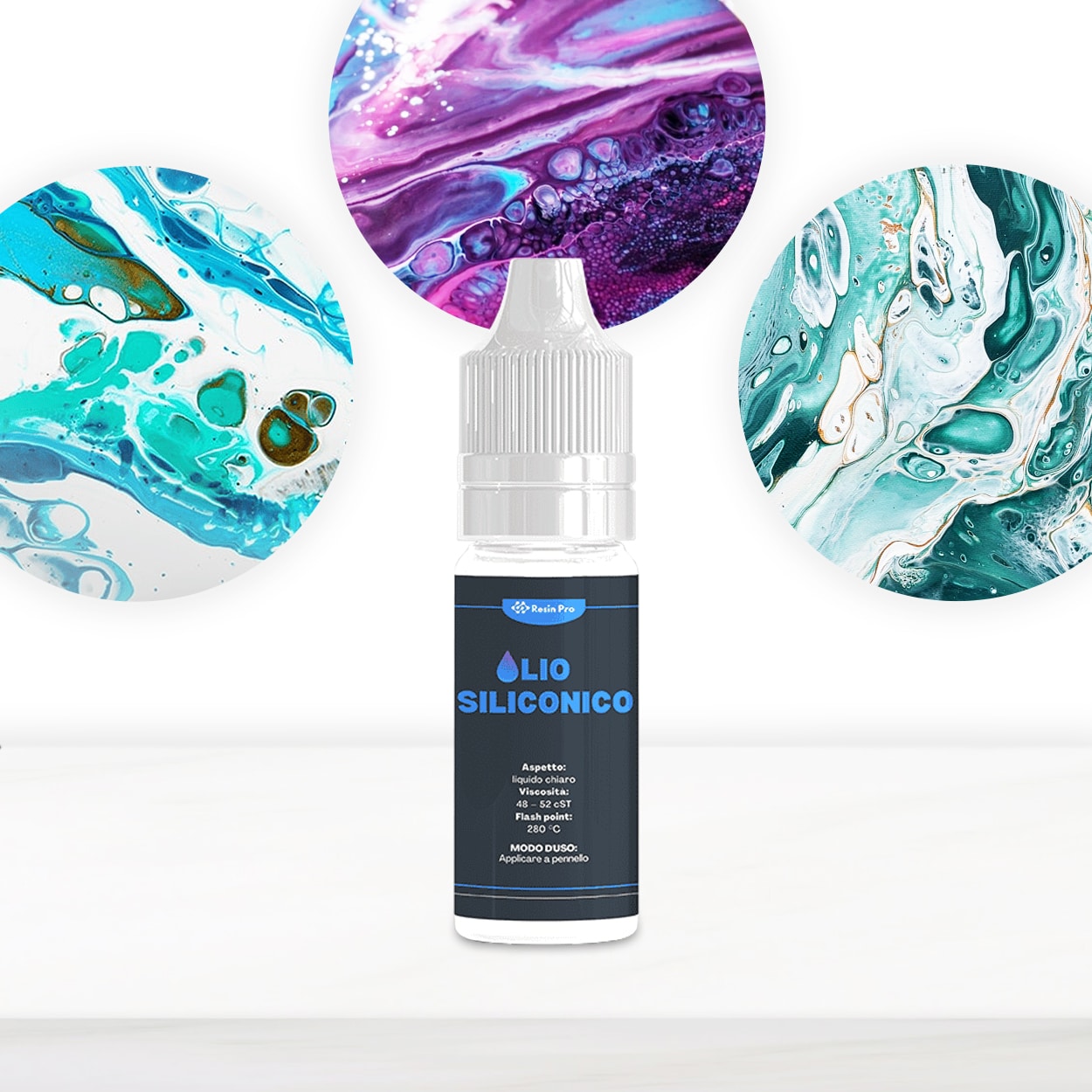
To keep a silicone rubber mold in good condition, it is recommended to treat it with Silicone Oil every 10–15 uses.
ResinPro Silicone Oil is a liquid that can be applied with a brush inside the mold and left to dry for a few hours (then removing any residue with a cloth).
This will renew the mold surface, significantly extending the “life” of your Silicone Mold!
It is extremely easy and affordable to use and will prevent the silicone from deteriorating, losing its shine, or, even worse, sticking to the material used to fill the mold!
Silicon Oil
Still Have Questions? We’re Here to Help!
At ResinPro, our team of experts is ready to help you choose the right resin and provide professional advice for your project.
Andrea Puliga
Comprehensive support throughout every stage of your project—from planning and design to application and final finishing. Expert in selecting the right products and solving technical issues related to working with resins, while providing guidance on best application practices.

Rozen Martel
10 years of experience in creating resin artworks and crafts. Successful YouTuber specializing in epoxy resin, with over 30,000 subscribers (YouTube Channel), and author of the book “Design Jewelry with Resin”.
We Love What We Do!
But every now and then, we need to take a break.
Our team is available to assist you from 8:30 AM to 6:00 PM, Monday to Friday.

