 Free shipping on orders over €199
 Shipping Tracking!


 Google
 Facebook
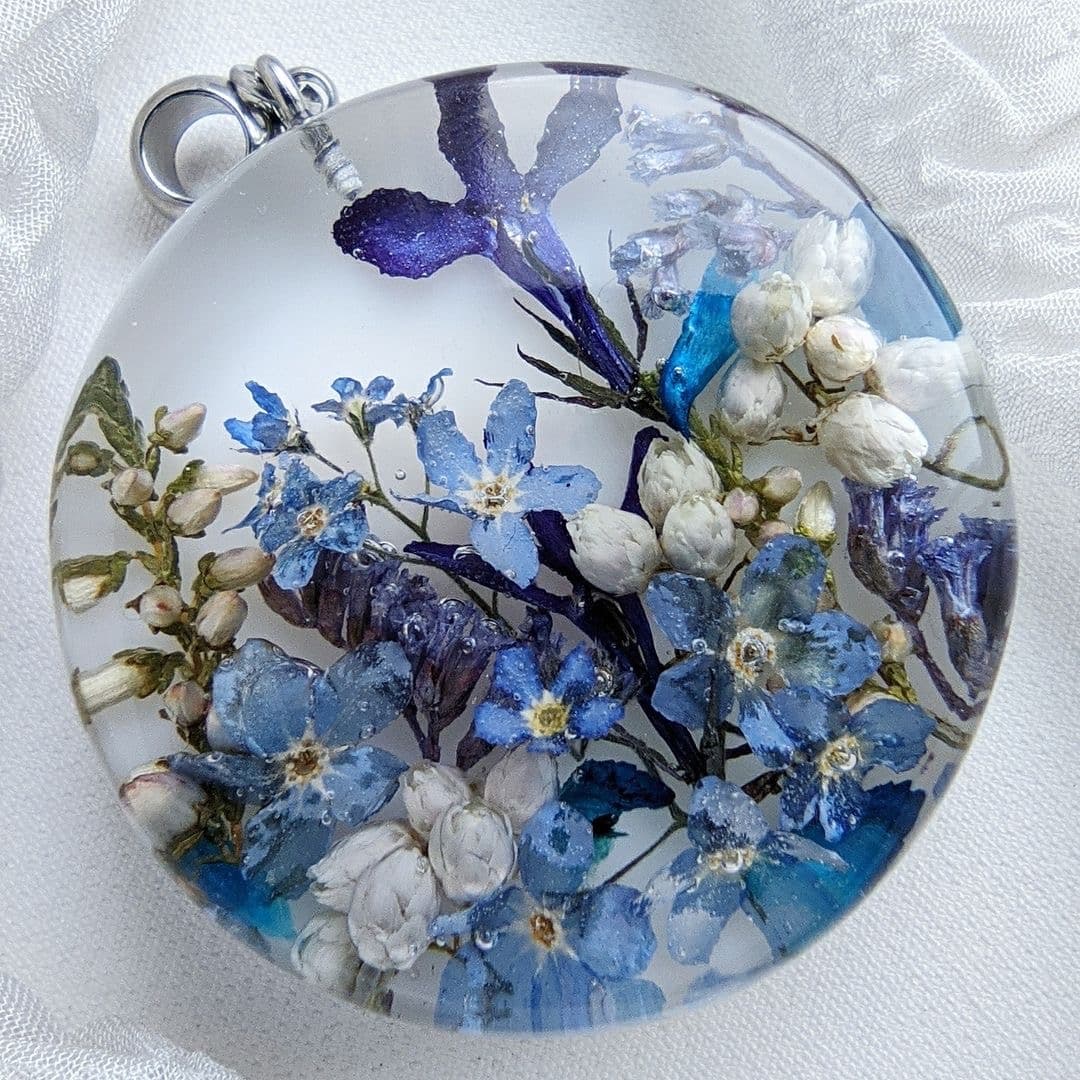
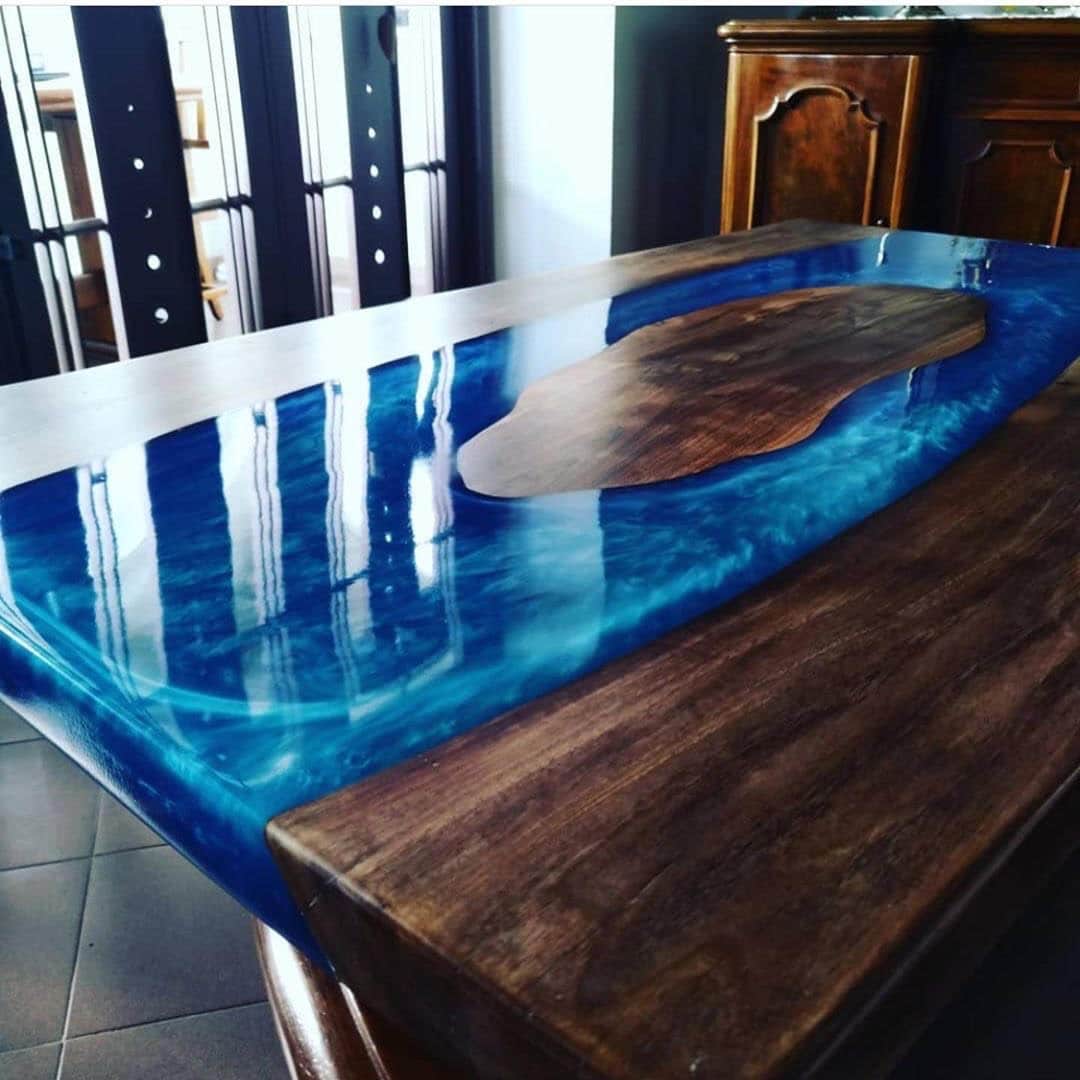
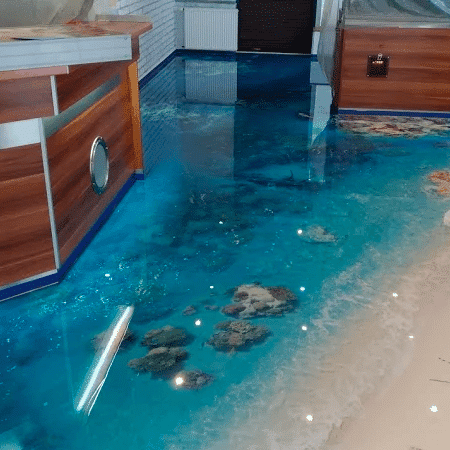
How do you choose the right epoxy resin when the information available online is often inconsistent, confusing, or even contradictory?
At ResinPro, we know how challenging it can be to find the perfect resin for your project. That’s why we’ve developed a simple, easy-to-follow guide that helps you quickly identify the best resin for your needs—saving you time and eliminating the guesswork.
Small Creations, Jewelry & Model Making Examples: jewelry, small decorative items, miniature models, and small woodworking projects.

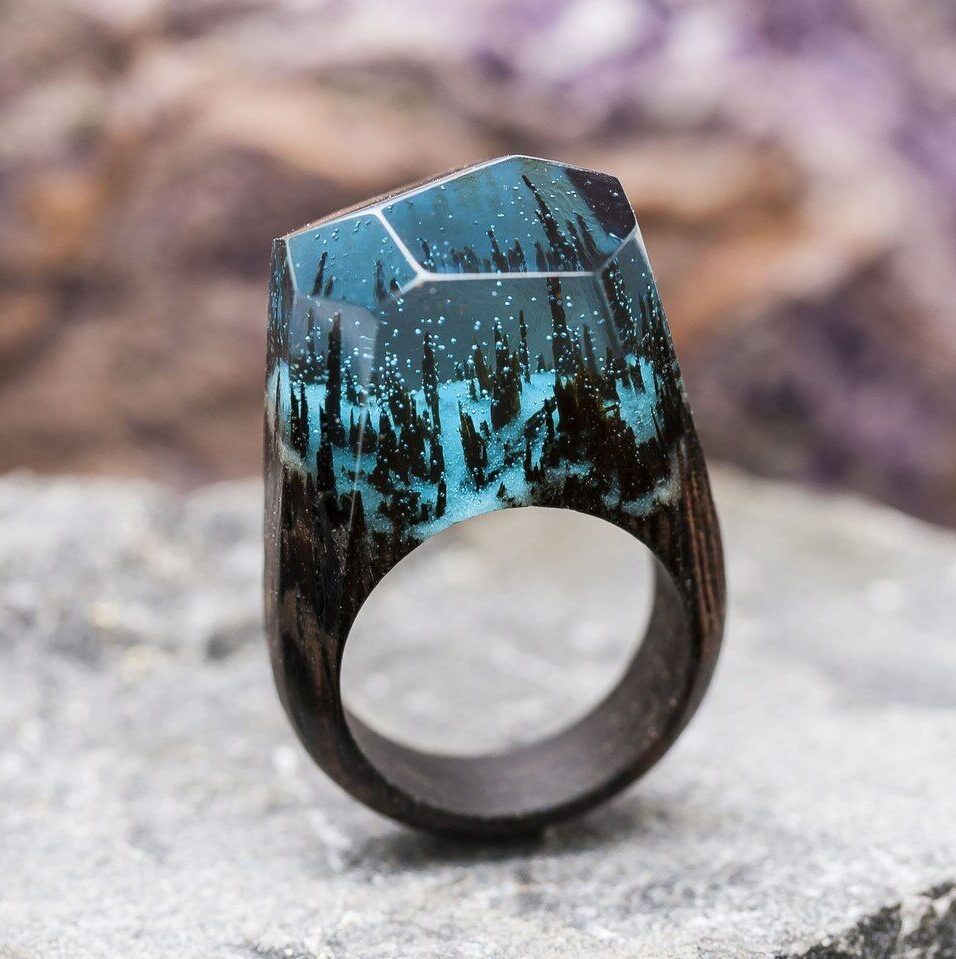

The most commonly used products are Epoxy Resins, UV Resins, and Polyurethane Resins.
Let’s explore their advantages—and their limitations—to help you choose the best solution for your project.
Epoxy Resin
Multi-purpose epoxy resins consist of two components that must be mixed together before use. Once mixed, the resin should be applied immediately and will cure on its own within a few hours.
Epoxy resin is crystal clear and can be tinted with a wide range of pigments and dyes, while maintaining excellent gloss, durability, and strength.
Without a doubt, it is the most widely used and versatile type of resin, making it suitable for countless creative and professional applications.
Advantages:
✅ Versatile
✅ Transparent
✅ Durable
✅ Long-lasting and stable over time
Disadvantages:
✖️ Requires accurate measuring with a scale
✖️ Needs at least 24 hours to fully cure
Main Applications:
Jewelry, silicone molds, small castings (up to 2 cm thick), material stabilization, wood and other material filling, and model making.
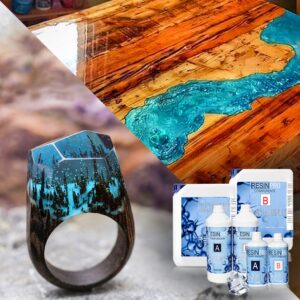

Epoxy Resin
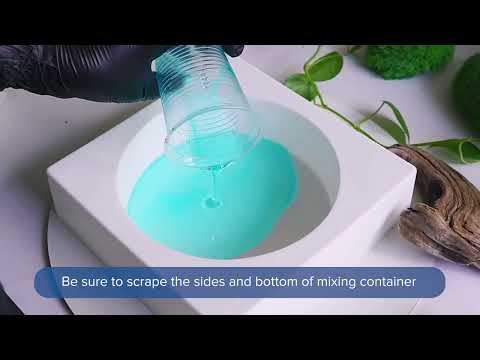
How to Use Clear Multi-Purpose Epoxy Resin
Discover all the details about our epoxy resin and learn how to use it to achieve the best results for your creative projects.
UV Resin
UV resins are single-component products, meaning they do not need to be mixed before application. However, they only cure when exposed to UV light (don’t worry—you can find practical portable UV lamps for this purpose).
UV resin is transparent and can be colored as desired. One of its main advantages is its extremely fast curing time: it hardens in just 2 minutes.
However, UV resin cannot be poured in layers thicker than 2 mm at a time (although multiple pours can be made to build up thickness).
Advantages:
✅ Easy application
✅ Extremely fast curing
✅ Can be colored
Disadvantages:
✖️ Maximum pour thickness of 2 mm per layer. Due to its slightly thicker consistency, it may trap some air bubbles when used in molds with very fine details.
✖️ Requires a UV lamp/flashlight for fast curing.
Particularly Suitable For:
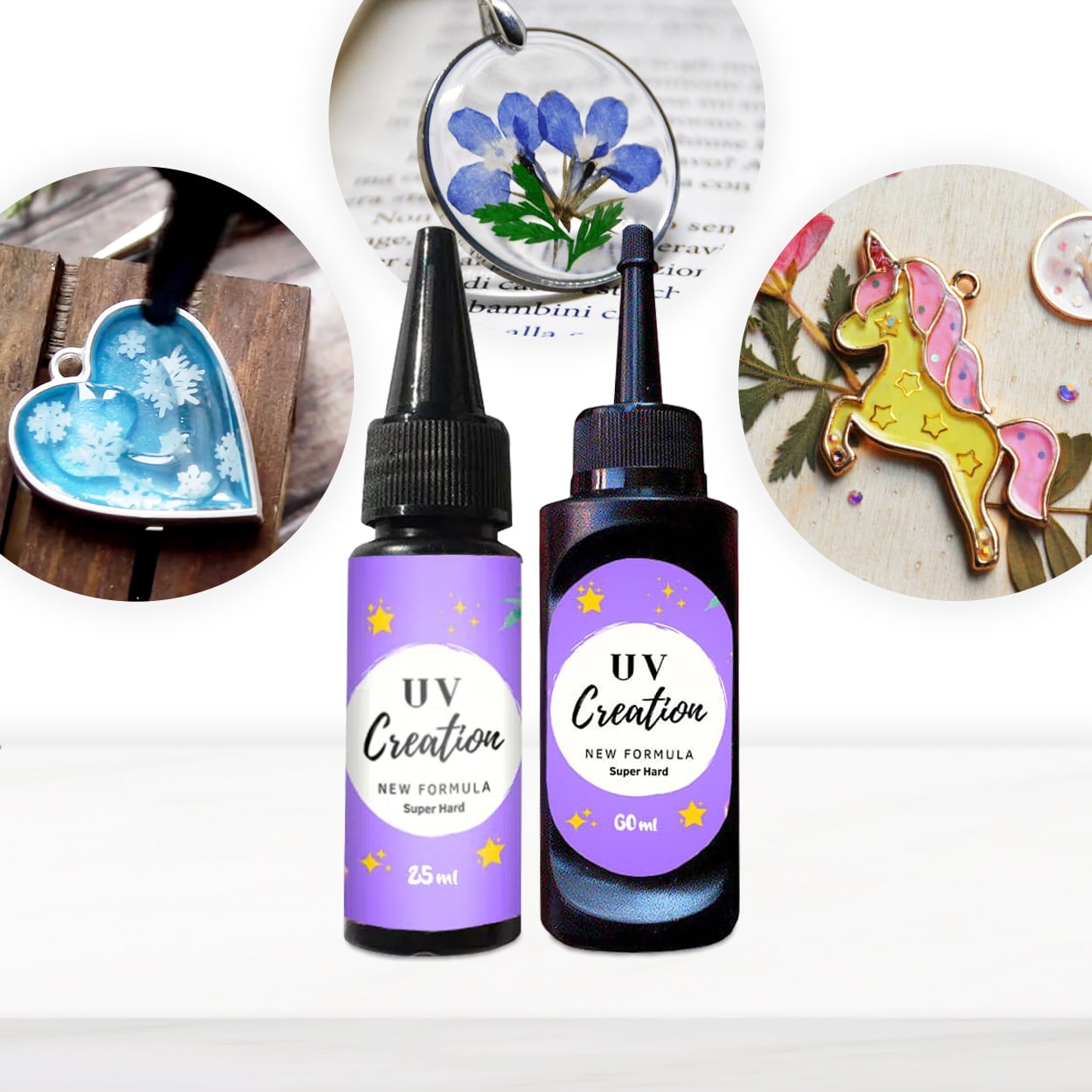
Small jewelry pieces or creations that require multiple resin layers (to save time), as well as a final glossy coating for small creations.
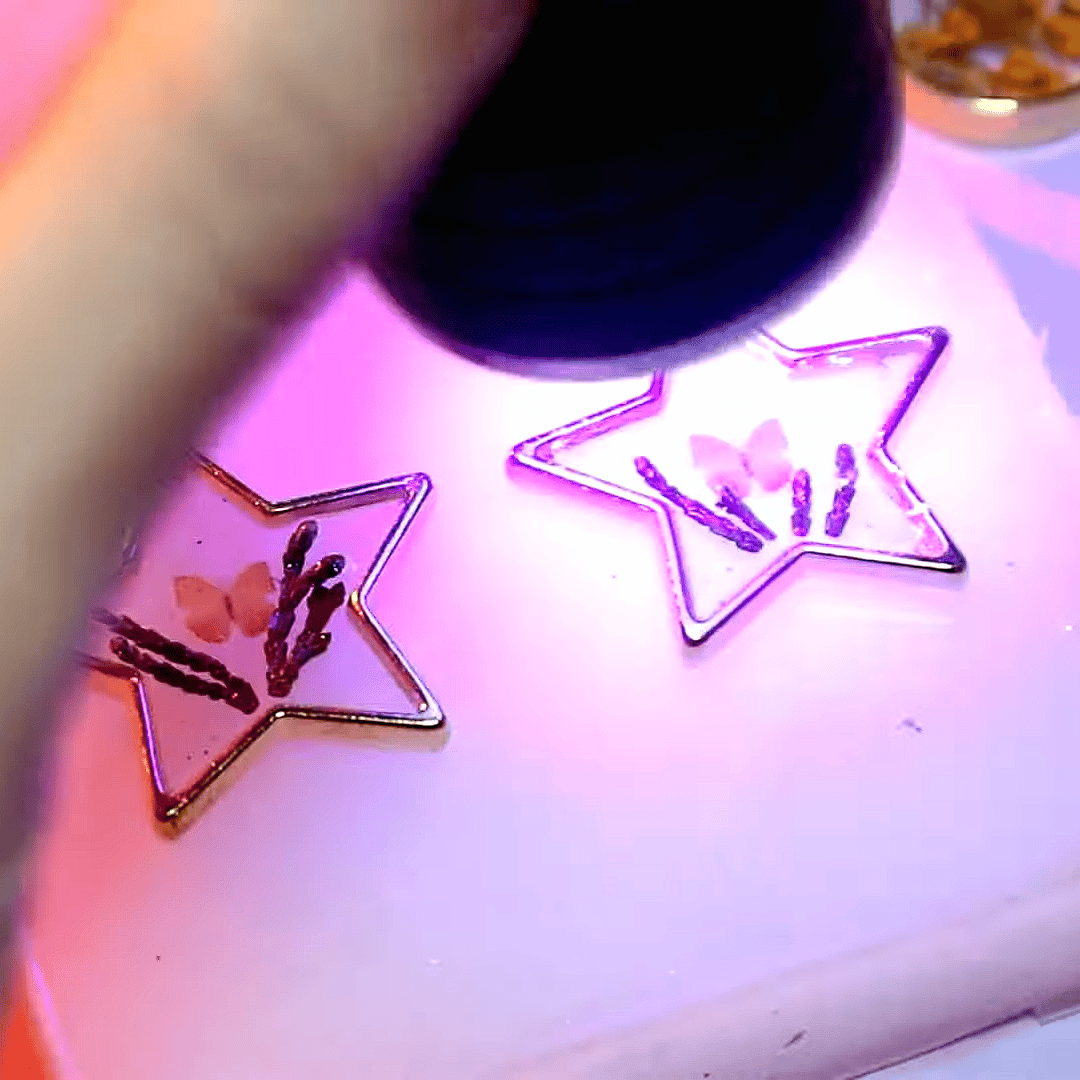
Here are some videos showing how to use UV Resin

UV Resin – Fast, Easy, and Perfect for Small Creations
Paintings & Resin Art
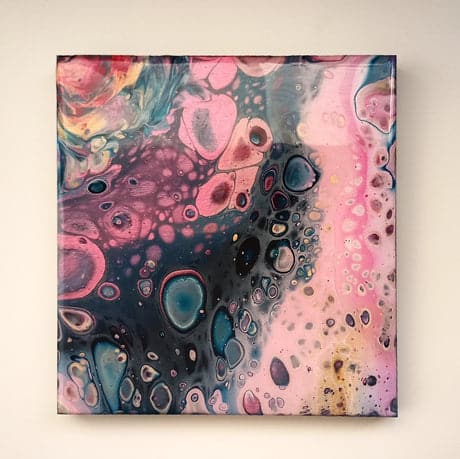
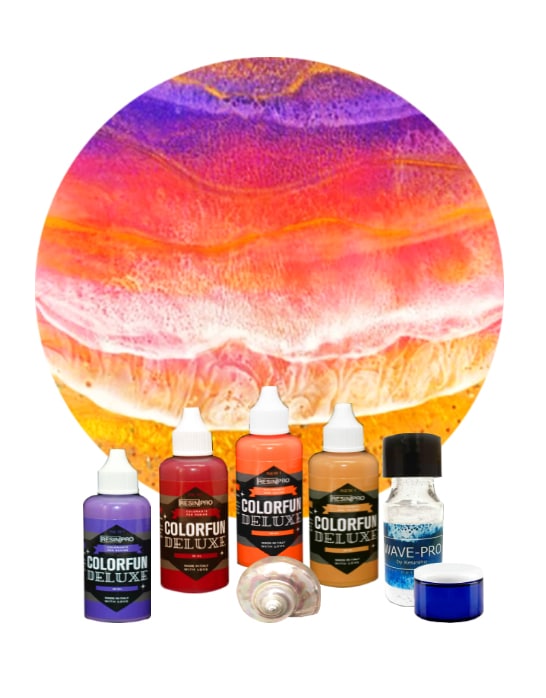
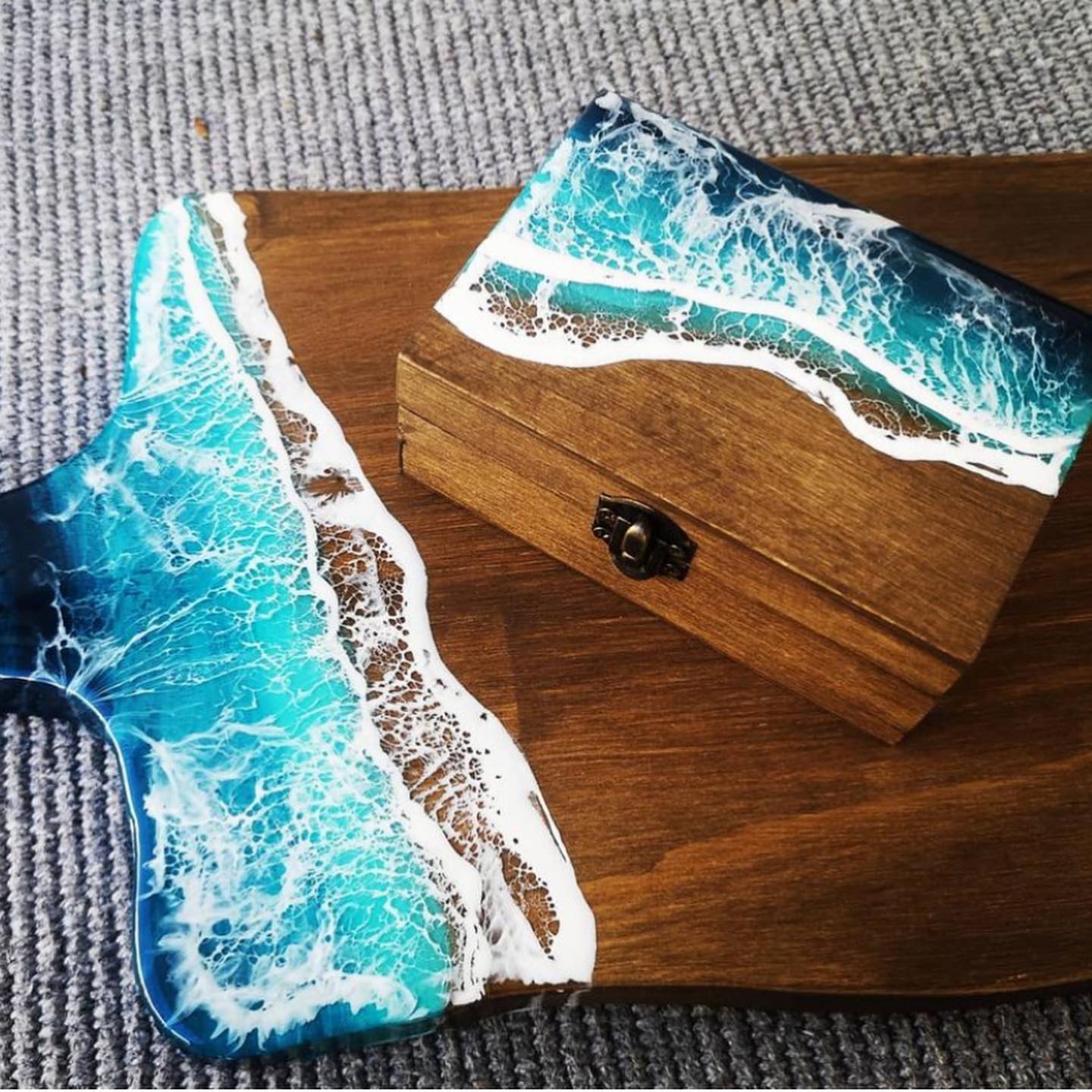
Recommended Product: High-Resistance Epoxy Resins
These transparent resins (always two-component systems) are characterized by their high hardness, allowing them to withstand even heavy use and foot traffic, as well as their excellent moisture resistance. They provide a consistently glossy and smooth surface finish.
They also tend to have a higher viscosity (a thicker consistency), which allows them to properly self-level after application—whether used for an artistic painting, decorative piece, or floor coating—even on slightly uneven surfaces.
Advantages:
✅ Highly durable
✅ Glossy finish
✅ Can be colored as desired
Disadvantages:
✖️ Maximum pouring thickness of 1 cm per layer (multiple pours can be made)
Main Applications:
Resin art paintings and artistic resin coatings, coasters, trays, and decorative surfaces.
(A food-contact-safe version is also available.)
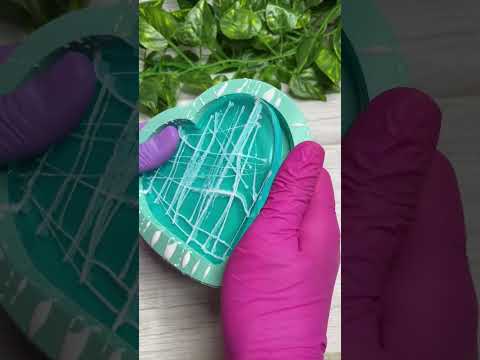
Here is an example
Discover the most suitable products
Polyurethane Resins
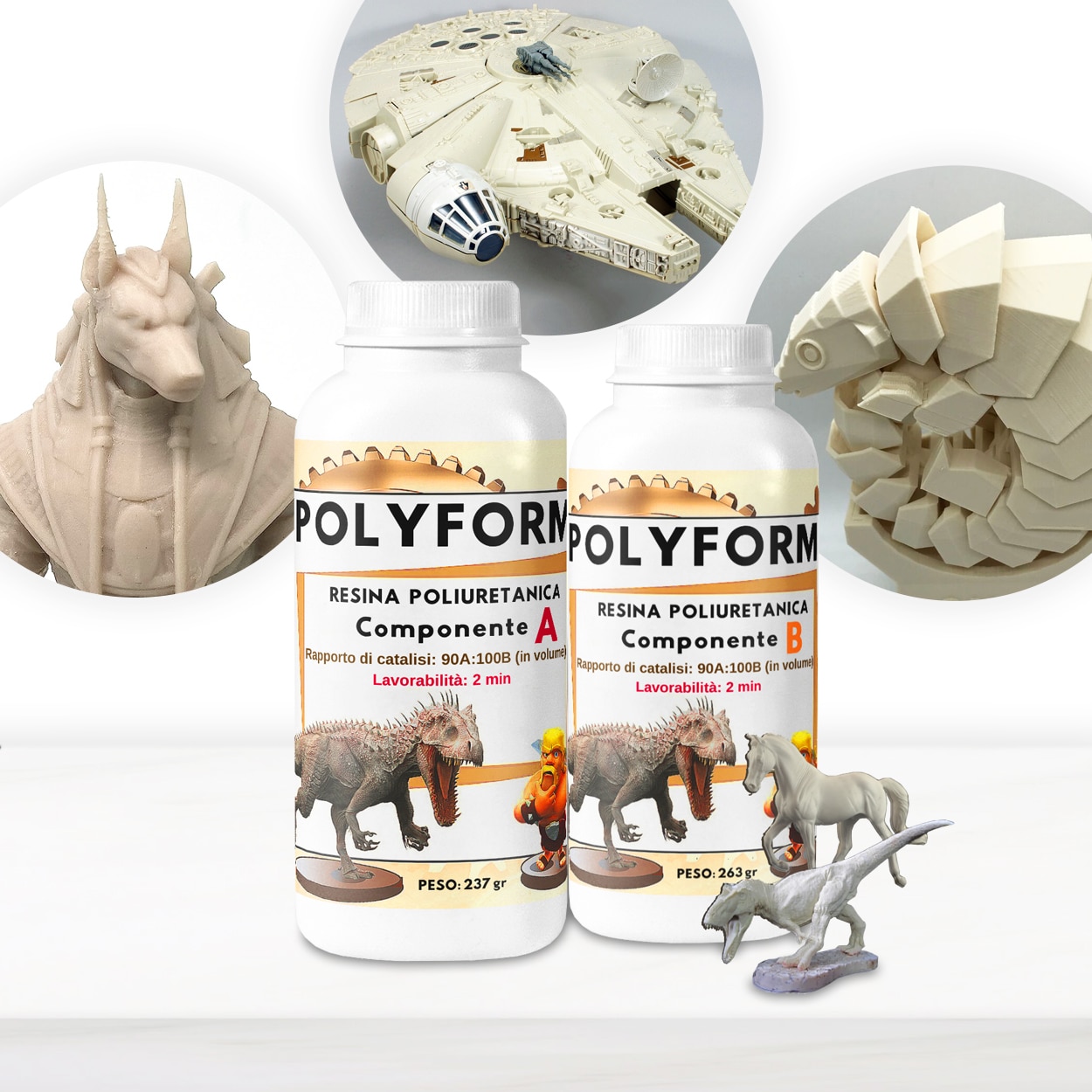
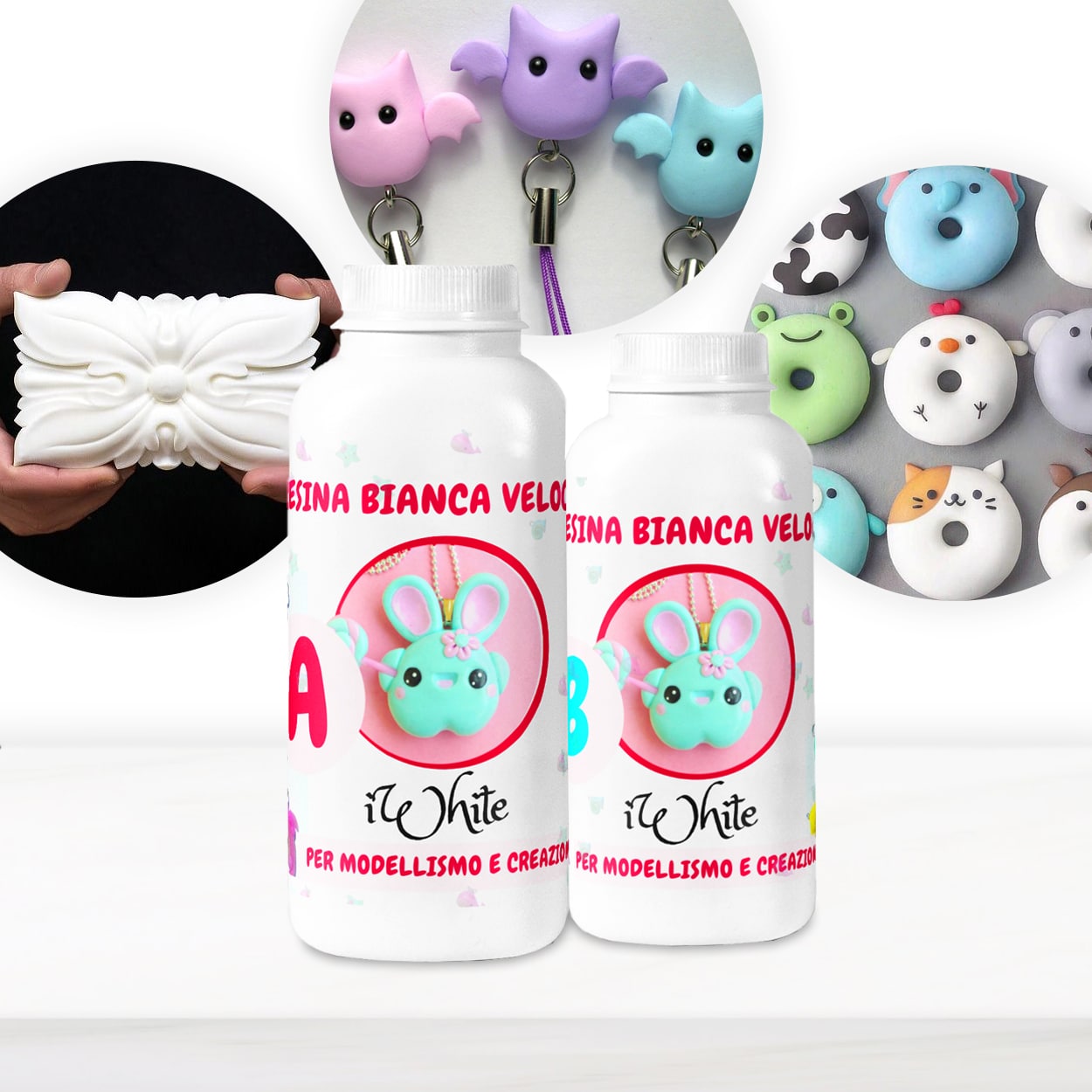
Polyurethane resins are two-component systems that, unlike epoxy resins, cure in just ten minutes.
However, they are not transparent. Once cured, they have a white or beige color (depending on the specific product). This does not mean they cannot be colored—in fact, pigments can be added to modify their shade—but they will remain opaque rather than clear.

Advantages:
✅ Fast curing ✅ Durable and resistant ✅ When used in silicone molds, it reproduces even the finest details
Disadvantages:
✖️ Can be colored, but it is not transparent
Particularly Suitable For:
Model making, series production (thanks to its fast curing time), and jewelry creations where transparency is not required.
Beige Polyurethane Resin for Model Making
White Polyurethane Resin for Casting Creations
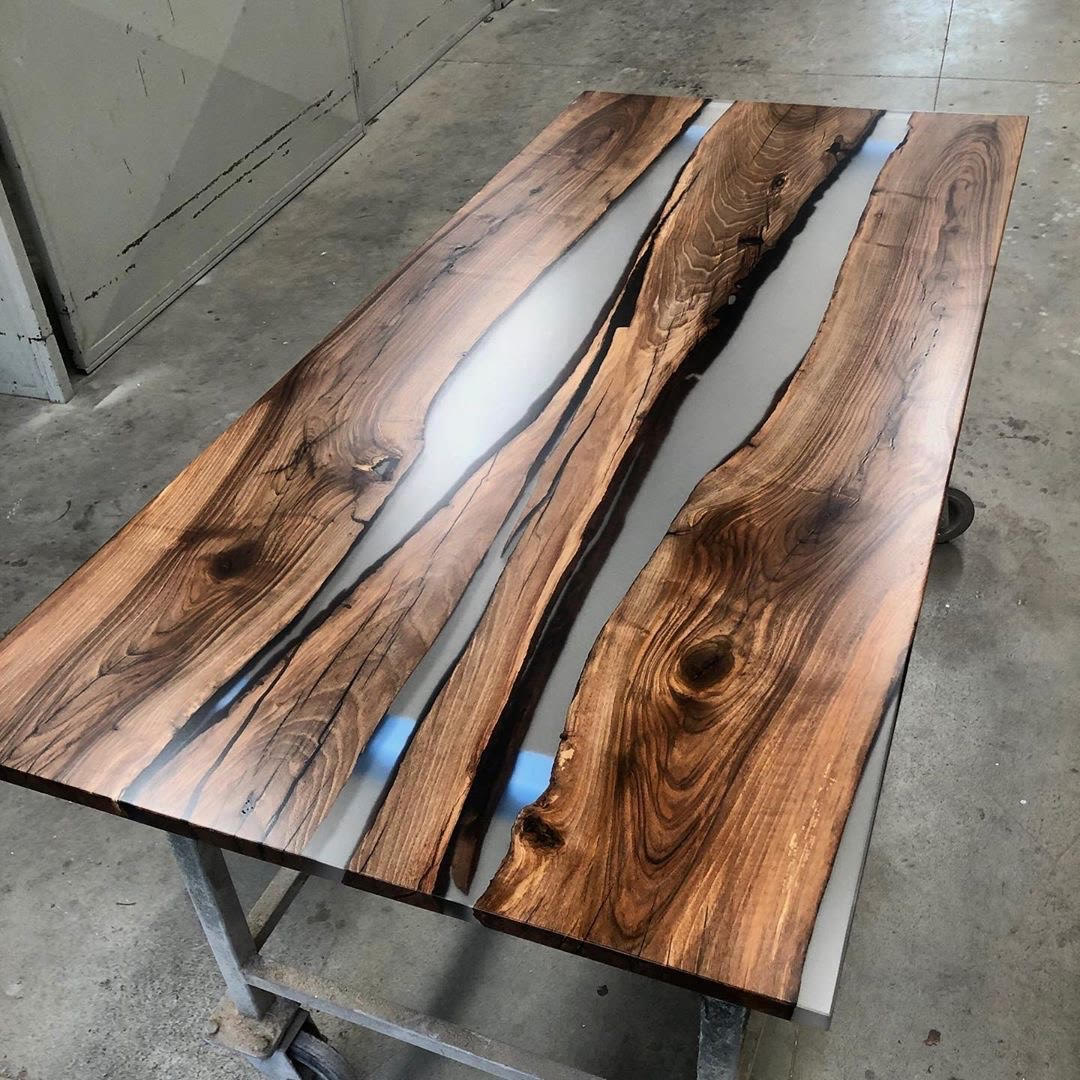
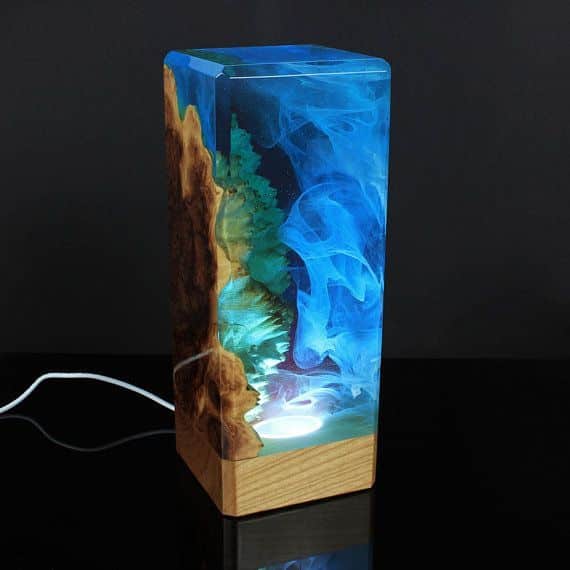
Thick Castings for Tables, Lamps & Large Fillings
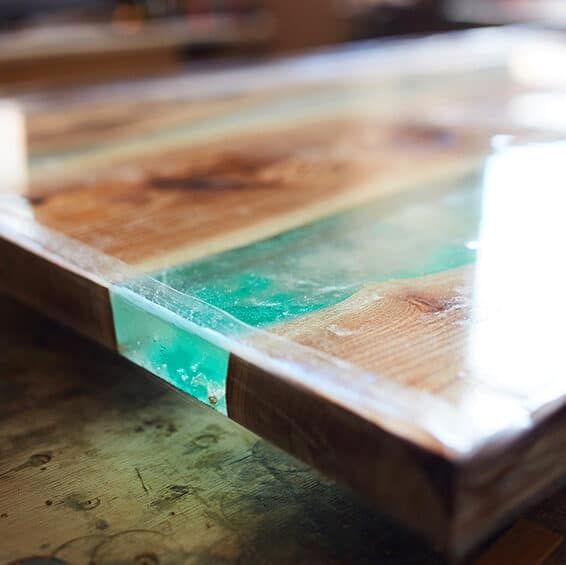
Recommended Product: Low-Exotherm Epoxy Resin
These are also transparent, two-component resins that can be colored as desired.
Large casting resins (especially those used for wood and resin tables) are designed to generate very little heat during the curing process. This is essential because excessive heat during a resin pour can cause the material to deform, leading to cracks, bubbles, and imperfections.
Advantages:
✅ Transparent
✅ Does not overheat during casting
✅ Does not deform and remains stable over time
Disadvantages:
✖️ Requires accurate measuring with a scale
✖️ Takes several days to reach maximum hardness (although it can be demolded after 24 hours)
Main Applications:
Resin and wood tables, large inclusions, lamps, and large decorative objects.
Discover the Best Resins for Large Projects
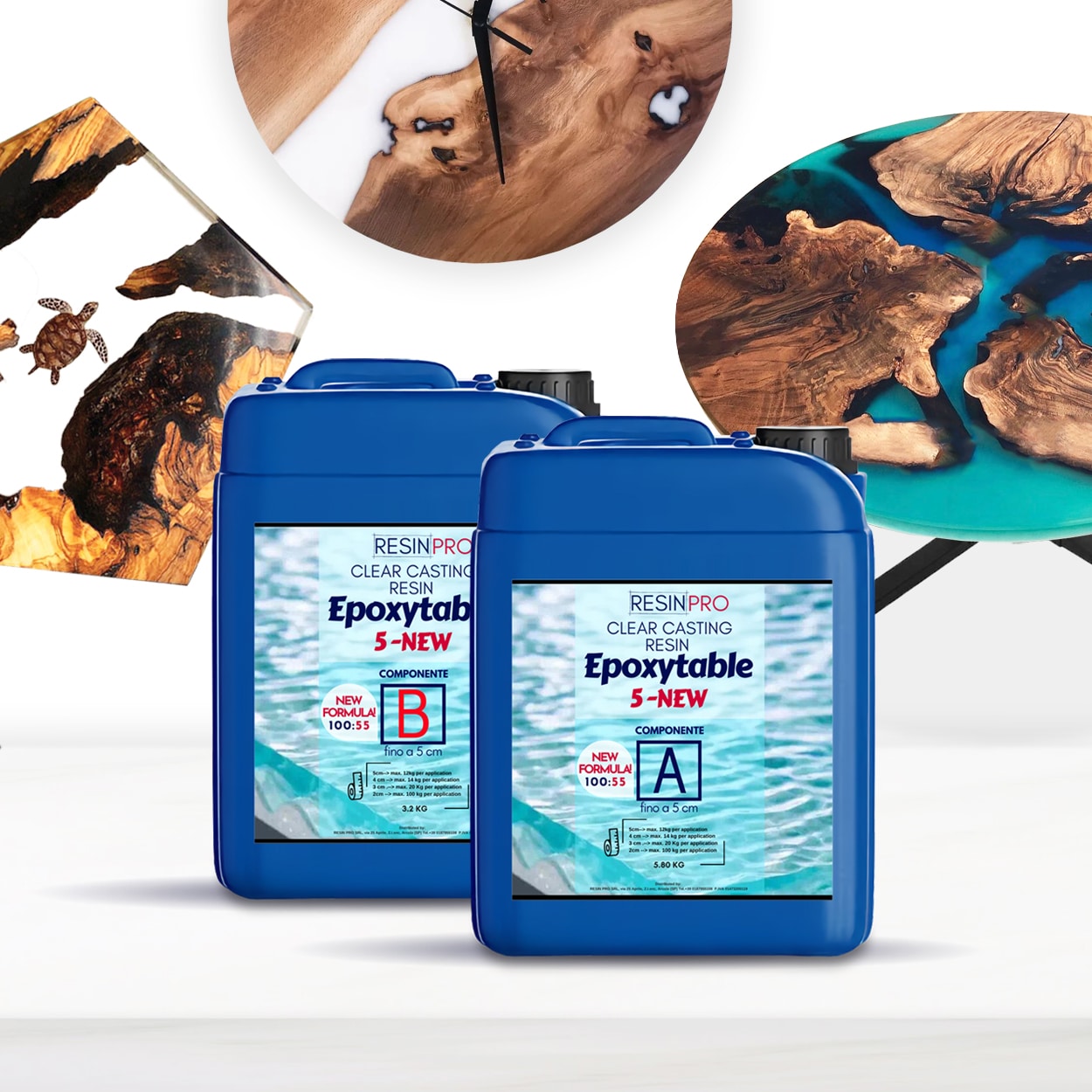
Epoxy Resin for Castings up to 5 cm (2 in) Thick
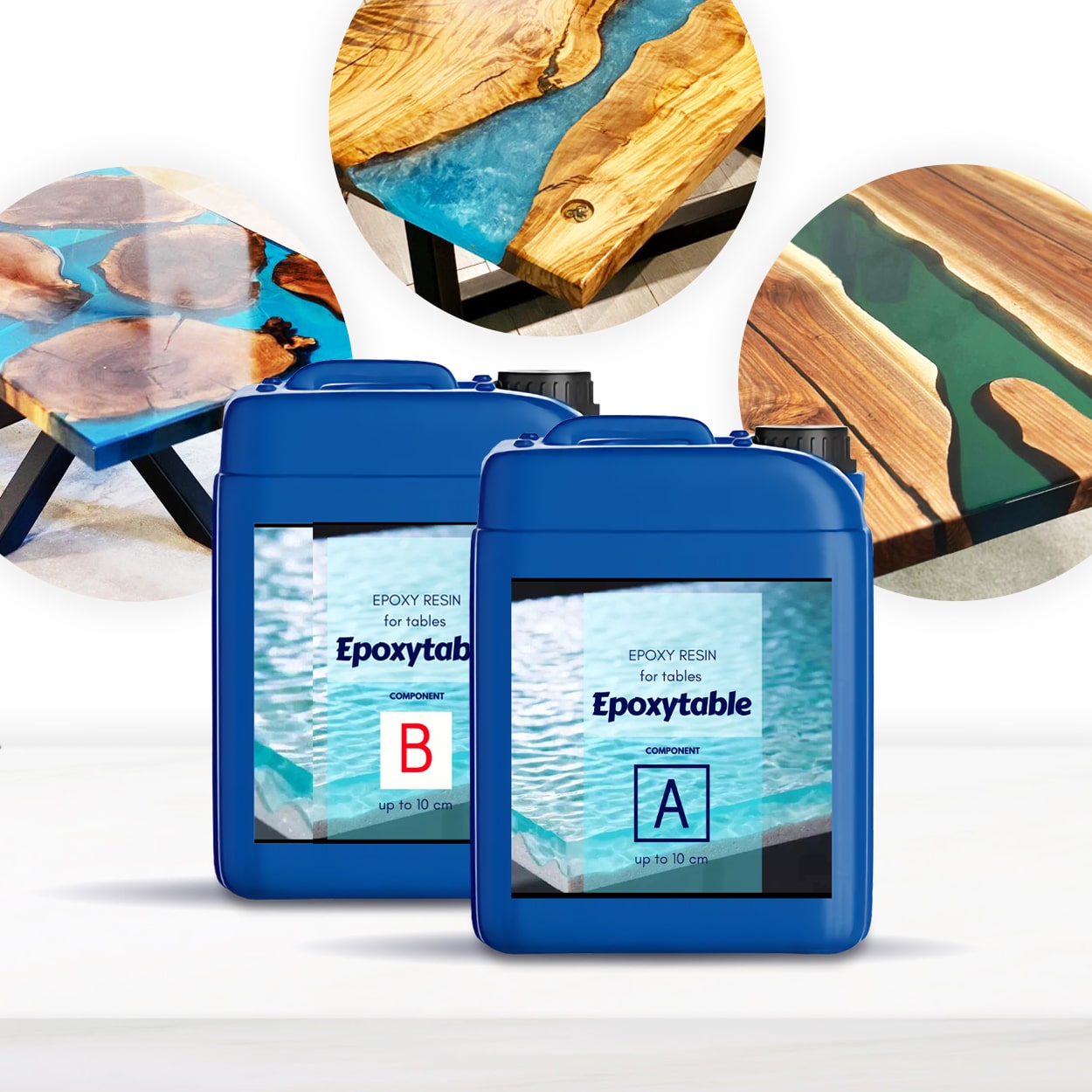
Epoxy Resin for Castings up to 10 cm (4 in) Thick
Floors & Surface Coatings



Recommended Product: High-Performance Epoxy Resins
These transparent, two-component epoxy resins are specifically formulated for applications that require exceptional durability and long-term performance. Their high hardness makes them suitable even for foot traffic, while their excellent moisture resistance ensures a smooth, glossy, and long-lasting finish.
Thanks to their higher viscosity, these resins self-level effectively after application, creating a uniform surface even on slightly uneven substrates.
Advantages:
✅ Highly durable
✅ Glossy finish
✅ Can be colored as desired
Disadvantages:
✖️ Maximum pouring thickness of 1 cm (0.4 in) per layer (multiple layers can be applied)
Main Applications:
Resin flooring, outdoor resin floors, and the renovation or coating of both horizontal and vertical surfaces.
Here is an example
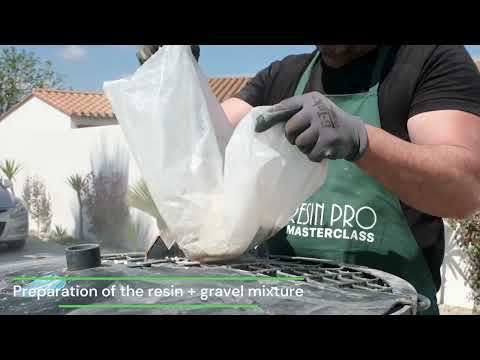
Discover all the products
Fiberglass & Carbon Fiber Repairs
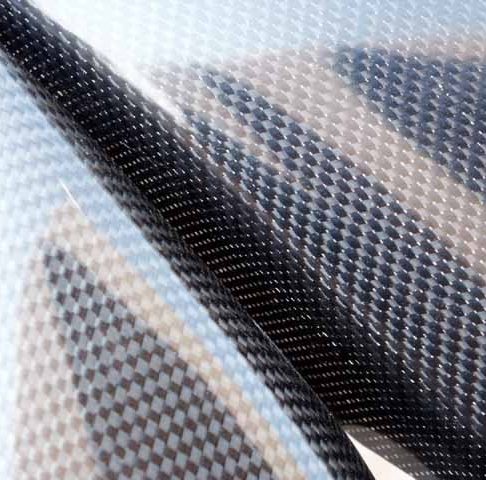
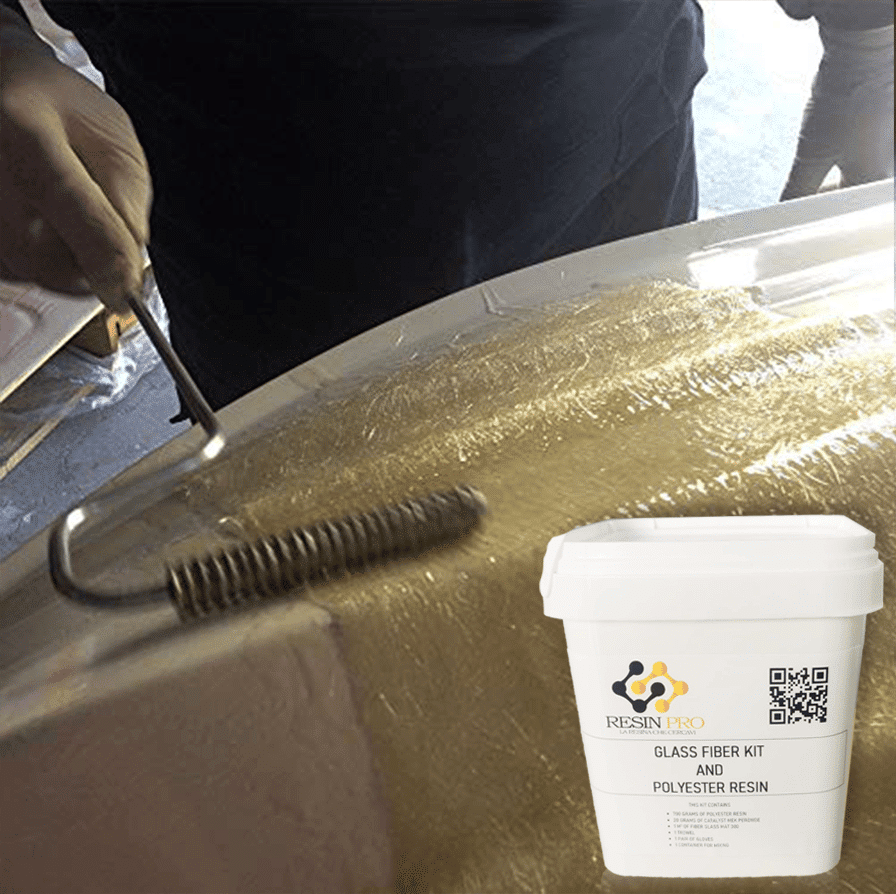
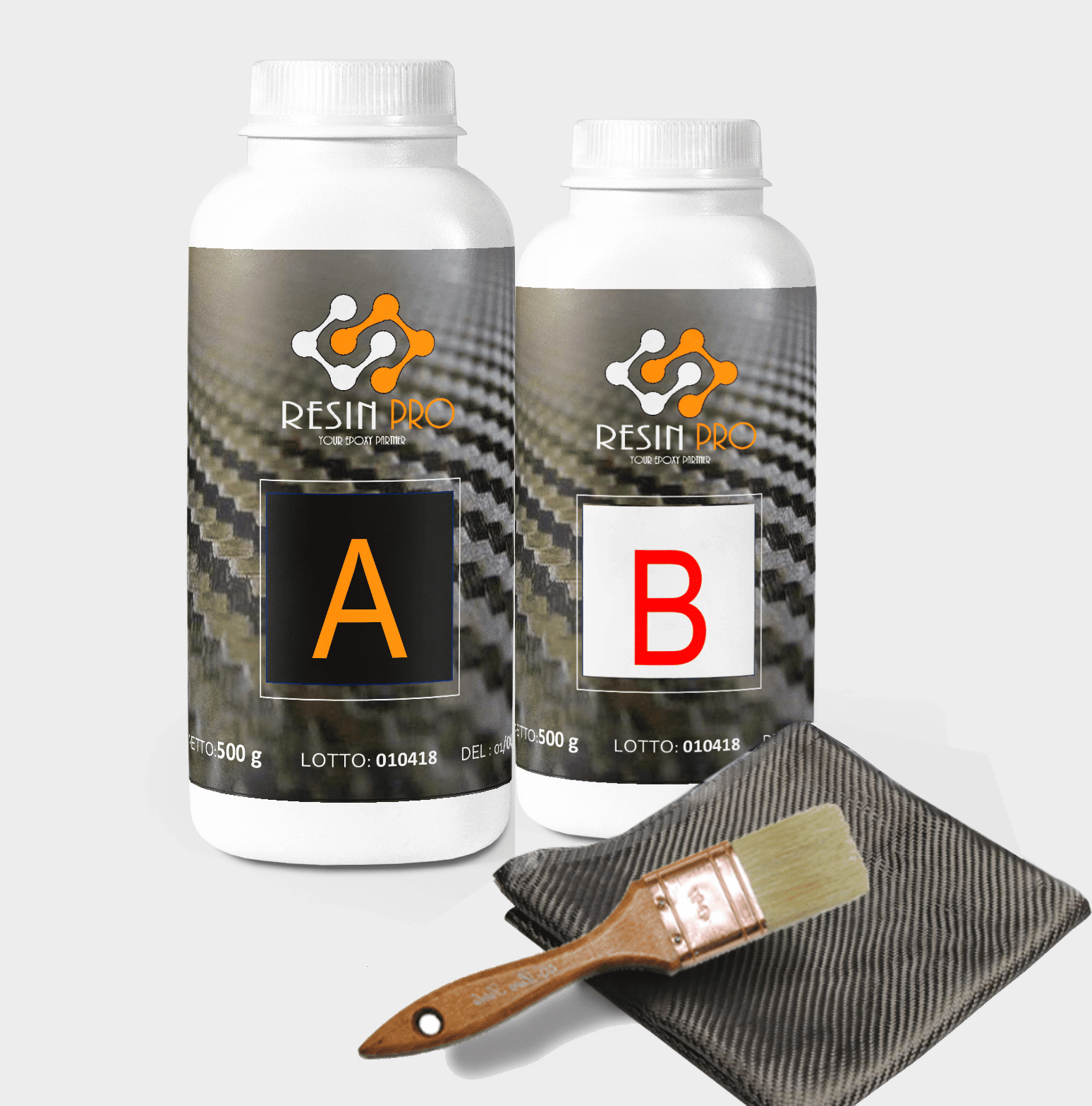
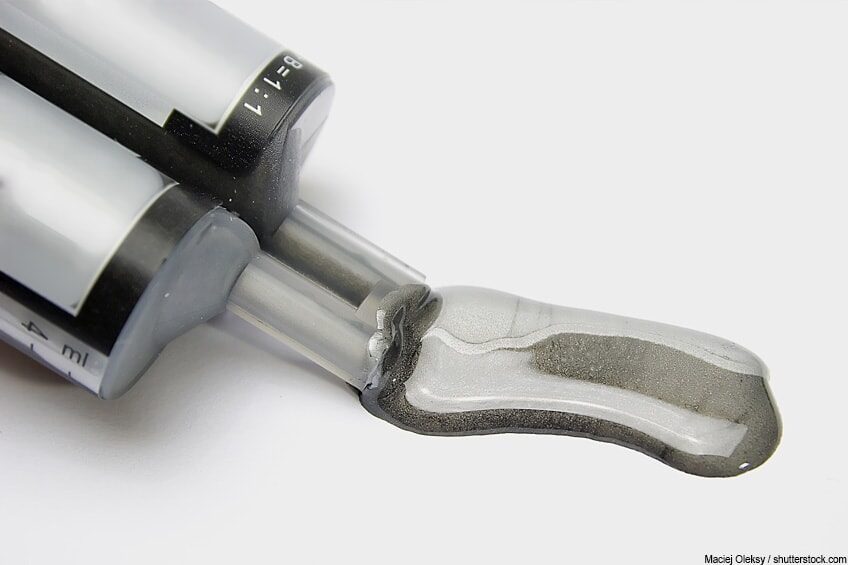
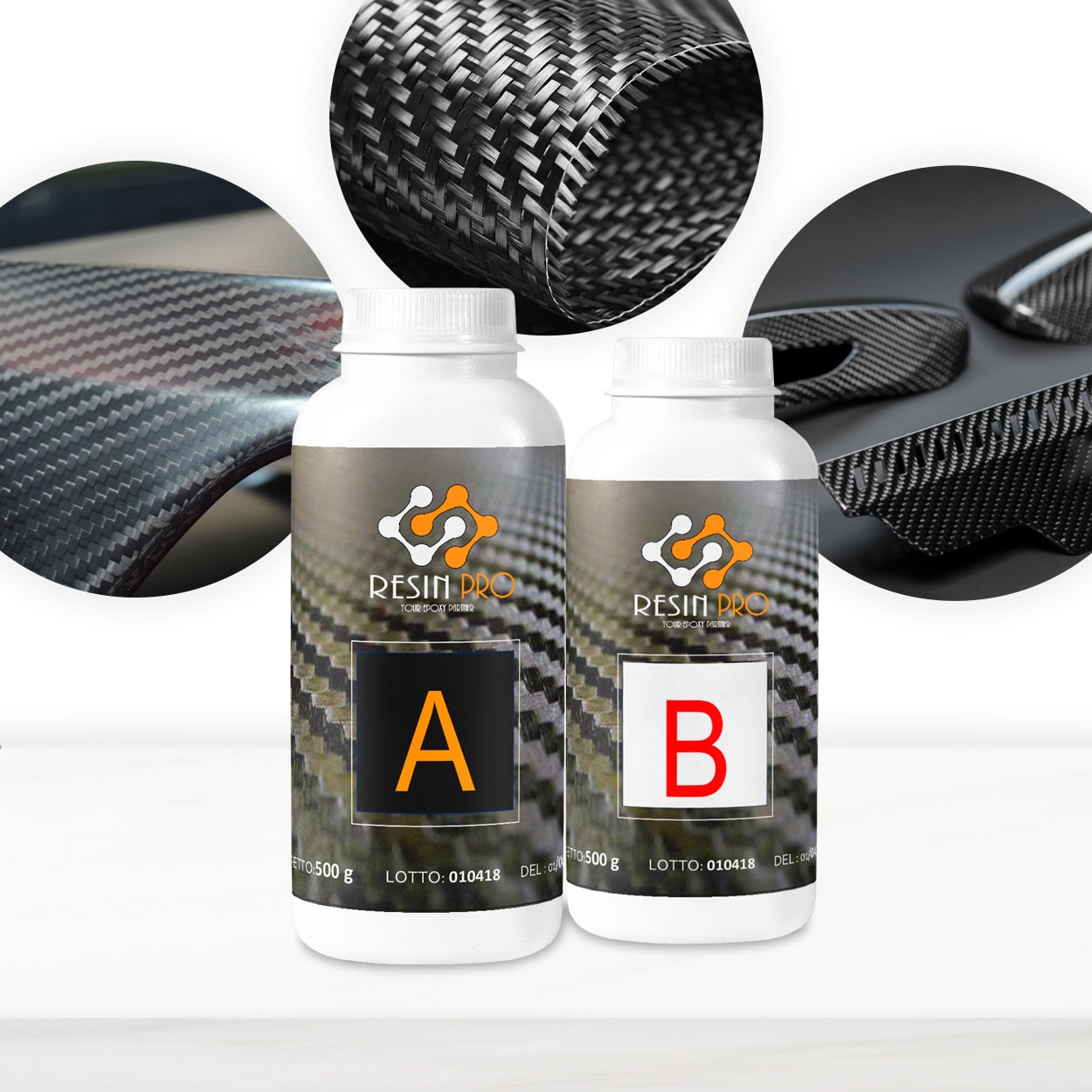
When working with technical fabrics such as fiberglass and carbon fiber, there are two main resin families to choose from: Technical Epoxy Resins and Polyester Resins.
Technical epoxy resins require more precise mixing ratios and carefully controlled environmental conditions during application (especially low humidity). In return, they provide superior strength, durability, and long-term performance. They are the preferred choice for high-quality carbon fiber projects and professional repairs where maximum mechanical performance is required.
Polyester resins are generally less resistant than epoxy resins but offer several practical advantages. They cure much faster, can be applied in a wider range of environmental conditions, and are more cost-effective. They are commonly used for quick repairs on vehicle body panels, caravan roofs, boats, and other fiberglass structures.
Polyester Resins for Fast Repairs
Epoxy Resins for Carbon Fiber & Marine Applications
Still Have Questions? We’re Here to Help!
At ResinPro, our team of experts is ready to help you choose the right resin and provide professional advice for your project.
Andrea Puliga
Comprehensive support throughout every stage of your project—from planning and design to application and final finishing. Expert in selecting the right products and solving technical issues related to working with resins, while providing guidance on best application practices.

Rozen Martel
10 years of experience in creating resin artworks and crafts. Successful YouTuber specializing in epoxy resin, with over 30,000 subscribers (YouTube Channel), and author of the book “Design Jewelry with Resin”.
We Love What We Do!
But every now and then, we need to take a break.
Our team is available to assist you from 8:30 AM to 6:00 PM, Monday to Friday.

